
Repeated theft is a pattern to be measured, not a reason to place more guards at the gate without investigation. You will learn how to identify the pattern, protect evidence, trace material movement, tighten factory controls and set clear responsibilities for security, management and police response.
Key takeaways
- Record the item, time, shift, route and access point for every loss.
- Preserve CCTV footage, gate logs, stock records and physical evidence immediately.
- Compare losses by location, shift, contractor, vehicle and detection point.
- Assign owners for investigations, access controls, searches and corrective actions.
When Does a Factory Loss Become Repeated Theft?
Two or more losses become repeated theft when they share a link: the same item, shift, route, gate, contractor, storage area or detection point. Two unrelated stock discrepancies do not establish a pattern, but repeated losses involving the same access condition demand a structured review.
Record each incident against the same fields:
- Date, discovery time and estimated loss window.
- Material type, quantity, batch or identifying mark, and value.
- Access route, gate, vehicle and storage location.
- Employees, contractors and vendors present during the period.
- CCTV camera coverage, footage availability and access-control events.
- Stock records, issue notes, transfer records, dispatch stage and gate-pass details.
- Detection point: stores, production, scrap handling, loading area or gate.
A loss without forced entry points towards authorised access, collusion or weak key and card controls, not only a boundary breach. Losses during shift change or dispatch require checks on handover records, loading supervision, gate-pass verification and vehicle movement.
If someone knows precisely where stock is kept, investigate access rights, stores records and process gaps alongside perimeter security.
Industrial security services for repeated theft in MIDC Jejuri should establish this documented baseline before changing deployment. More guards will not repair unrecorded stock movements or uncontrolled access. Factory theft prevention Jejuri therefore begins with evidence, reconciliation and a mapped loss pattern.
What Should Happen During the First Hour After a Theft?
The shift supervisor or named incident lead takes charge immediately, with management authorising searches, access suspension and CCTV export. Start the industrial security breach response before anyone cleans, relocates stock or resets equipment.
1. Classify the event: a missing consumable, suspected insider theft, armed intrusion, sabotage or tampering, or a cyber-enabled access-control failure. An armed intruder or violence requires emergency services; suspected insider theft requires controlled access and evidence preservation, not an accusation.
2. Isolate the affected room, yard, vehicle, gate or route. Restrict entry, stop cleanup and stock movement, and record the discovery time and the last-known-good time from stock, dispatch or shift records.
3. Photograph locks, seals, doors, stock positions, vehicle condition, footprints and other visible conditions before touching anything. Record every person who enters, their entry and exit times, and the reason for entry.
4. Identify the missing item, quantity, batch or asset number, location and last authorised movement. Preserve gate passes, dispatch notes, stock sheets and recovered items in separate packaging with a written chain of custody naming each handler, time and transfer.
5. Secure CCTV before automatic overwriting: note camera numbers and timestamps, export the original time window plus surrounding footage, retain the native file and a working copy, and restrict export access. Preserve access-control events, alarm data and system-change logs.
6. Interview witnesses separately, recording their words, time observed and contact details. Notify management and the designated law-enforcement liaison; call police when facts indicate forced entry, violence, weapons, tampering or material loss requiring a complaint.
How Do You Trace the Route and Location of Repeated Losses?
A theft map starts with one timeline, not a suspicion. Compare each loss against gate registers, weighbridge slips, dispatch notes, invoices, inventory variance reports, stores-release records, visitor and contractor logs, vehicle registration numbers, access-control events and CCTV timestamps.
1. Match the last verified quantity and location to each movement: production issue, stores release, internal transfer, loading, weighment, gate pass, seal and dispatch document. Security cannot validate a quantity that production or stores never recorded.
2. Mark repeated points on a site plan: raw-material yards, finished-goods dispatch bays, maintenance stores, tool rooms, loading docks, employee parking and scrap storage. Link each point to the shift, route, gate, contractor, vehicle and detection stage.
3. Test cameras at boundary gates, stores, loading bays, scrap areas, tool rooms and known blind spots. Compare camera time with gate-register and access-control time, check night visibility, confirm retention covers the full review period, and restrict export access to named authorised staff.
4. Treat failed gate-pass checks, unsealed vehicles, missing footage and unauthorised persons near stores as route evidence, even when no stock disappeared. Repeated minor exceptions often expose the path used in a larger loss.
5. Compare the map with the control chain before adding guards. Factory theft prevention jejuri requires a controlled gate, identity and vehicle checks, restricted stores access, monitored loading, lighting, patrols, retained CCTV and reconciled high-value movements.
For industrial security services midc jejuri, the result should identify whether the weakness sits at the boundary, inside access rights, during dispatch, or in incomplete stock records. That distinction directs the corrective action.
Which Controls Stop Insider, Contractor and Exit-Route Losses?
Close each route identified in the loss review with a documented control, not an accusation against the nearest employee. Confidential fact-finding starts with access records, attendance reconciliation and stock reconciliation, then tests who could enter, move or release the material.
Separate contractor controls from employee controls. Issue sponsor-approved passes with identity, expiry date and work-area limits; record tool and material declarations; reconcile attendance; restrict stores access; recover passes when assignments end; and require named authorisation for exceptions and returns.
At the vehicle or material gate, guards should:
- Match the gate pass with the invoice or dispatch note.
- Record the vehicle registration number and verify the seal number.
- Check quantity against authorised documents and weighment records where applicable.
- Escalate discrepancies to management instead of relying on informal guard searches.
Written shift handovers must list outstanding vehicles, open discrepancies, seal status, patrol findings and counts of keys, radios and access cards. Rotate guards at vulnerable posts without losing continuity in records.
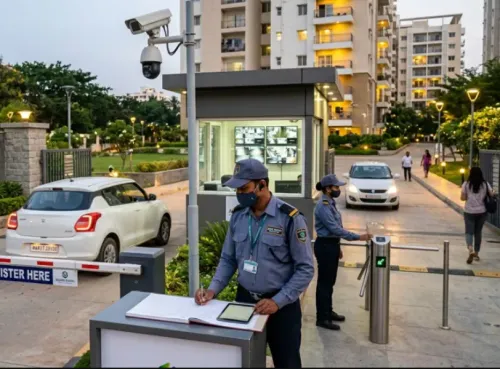
Post orders for manufacturing security guards Jejuri should name patrol checkpoints, lock and seal checks, camera-failure escalation, unusual-activity reporting and safe, lawful searches coordinated with management and police.
| Control | Evidence to reconcile | Escalate when |
|---|---|---|
| Contractor access | Pass, sponsor, expiry, area and attendance | Pass is expired, missing or used outside its area |
| Dispatch exit | Gate pass, invoice, registration, seal and quantity | Any document, seal or count differs |
| Stores movement | Issue, transfer, return and named approval | Material lacks a recorded movement trail |
This layered approach makes factory theft prevention Jejuri measurable without treating suspicion as proof.
How Should You Set Responsibilities and Measure the Security Response?
Set one named owner for every action before selecting a provider. A clear responsibility matrix prevents a guard from deciding alone whether to search a vehicle, revoke a card, export footage or call police.
| Role | Accountable action | Required evidence |
|---|---|---|
| Client | Approve searches, access suspension and senior-management notification | Signed authority list and escalation record |
| Security provider | Isolate the scene, deploy relief and preserve the post log | Incident log and supervisor review |
| Facility management | Control affected rooms, yards and vehicle movement | Entry register and scene-access list |
| Stores | Reconcile stock, seals, gate passes and dispatch documents | Variance report and document copies |
| HR | Confirm employee or contractor status and support fact-finding | Attendance and contractor records |
| IT | Suspend cards and export access-control and CCTV data | Export log with timestamps |
| Police liaison | Support the complaint and provide the evidence file | Complaint number and handover record |
For industrial security services MIDC Jejuri, require post orders that state patrol checkpoints, seal and lock checks, vehicle-document matching, gate-pass exceptions, handover rules and CCTV-failure escalation. Manufacturing security guards Jejuri assignments need relief coverage, supervisor reviews of near misses and a corrective-action tracker, not merely a guard count.
Measure the operation through post attendance, patrol completion, response time, CCTV uptime, incident-report completeness, access-card revocation time, closure of corrective actions and recurrence rate. Topgun Corporate Services Pvt Ltd should be assessed against those records and its industrial security breach response matrix, not broad claims of professionalism.
Related product
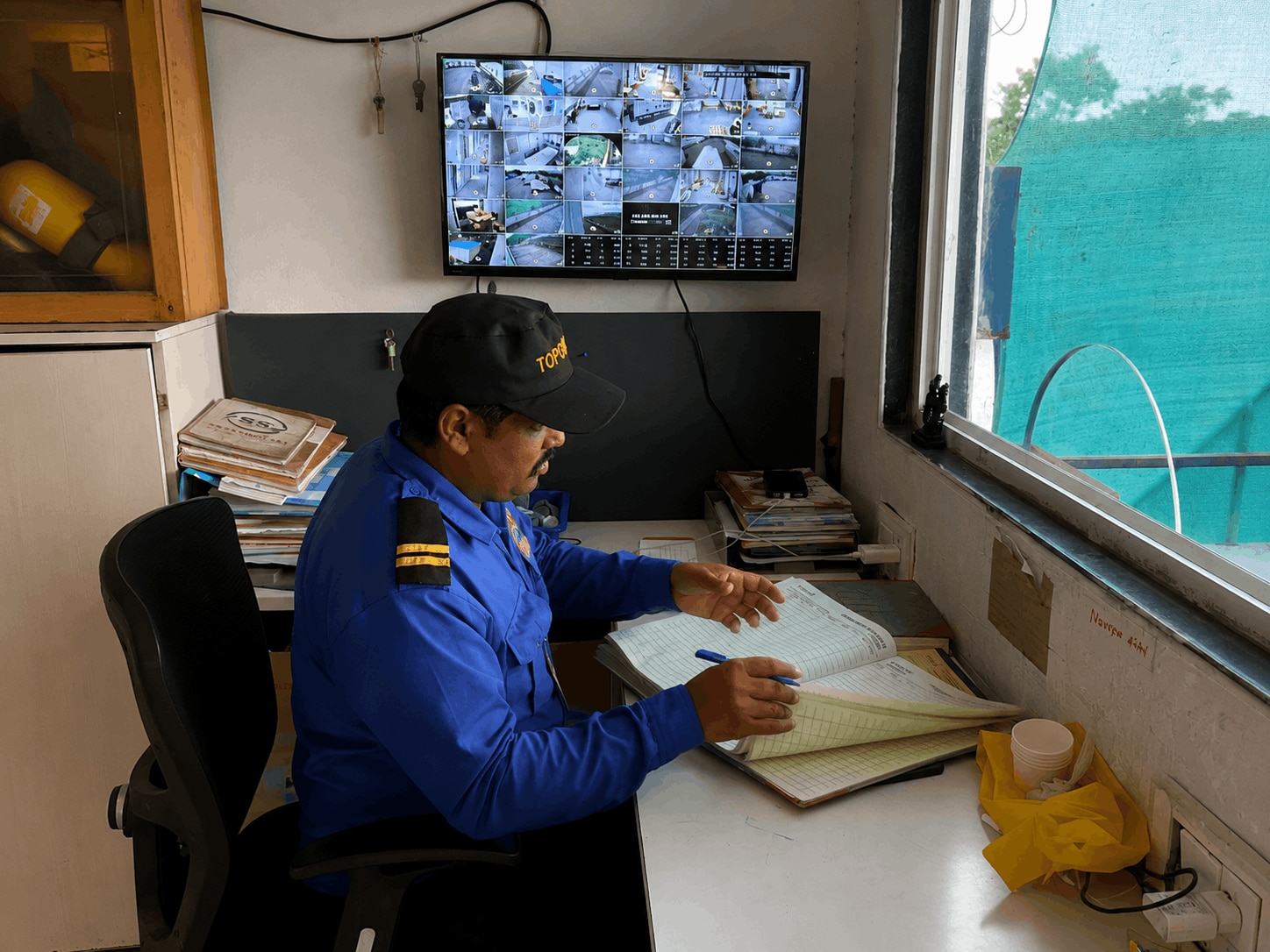 | Industrial Security Services Industrial sites are busy places. Trucks are constantly moving, employees work in shifts, materials come and go, and there are plenty of areas that... View product → |
Frequently asked questions
When does a factory loss become repeated theft?
Treat losses as repeated theft when two or more incidents share an item, shift, route, gate, contractor, storage area or detection point.
What should happen during the first hour after a theft?
Secure the scene, preserve CCTV and records, restrict unnecessary access, record facts and notify the designated investigation owner.
How do you trace the route and location of repeated losses?
Map each loss against storage areas, handling points, gates, vehicle movements, shifts, contractors and CCTV coverage.
Which controls stop insider, contractor and exit-route losses?
Use segregation of duties, controlled keys, visitor and contractor registers, vehicle checks, sealed loads, access permissions and monitored exit routes.
How should you measure the security response?
Assign named responsibilities and track response time, evidence preservation, investigation closure, repeat incidents and corrective-action completion.
Keywords